


Introduction
Vision
Mission
- Working for protection and promotion of women’s rights & dignity
- Promoting socio-economic status & self-reliance of tribals farmers and weaker sections with collective action & gender participation
- Ensuring food security through sustainable utilization of local natural resources like land, water, forest and skill etc
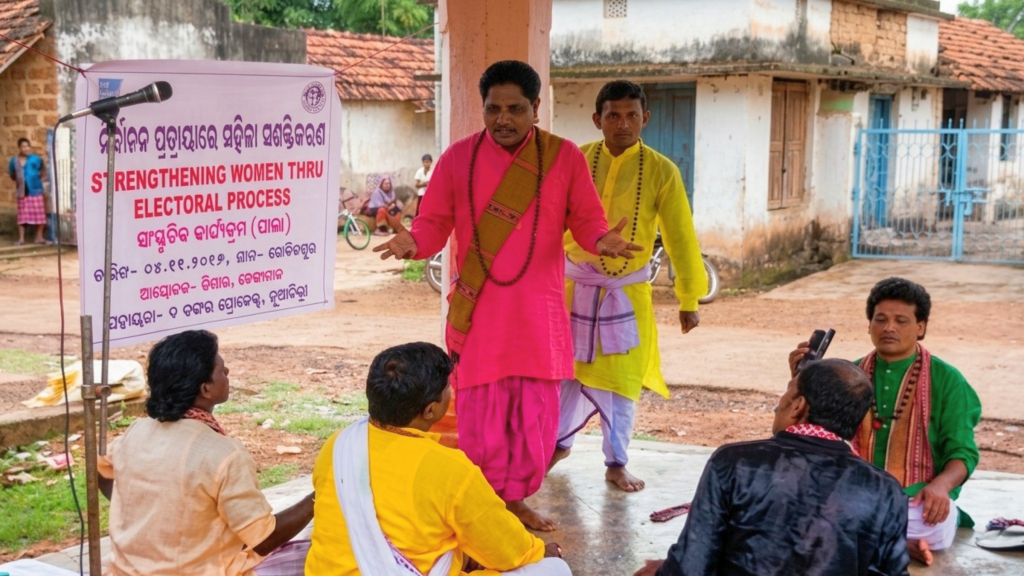
- Facilitating effective participation of people in local Self Governance system and grass root democracy through capacity building.
Objectives
- Educate, assist and establish organization of poor, youth and women to enable them realize their creative faculty for their socio-economic development.
- Raise people’s capacity through organizational activities, common awareness & self-reliance and exposing them to the realities of their social perpetuation.
- Protect and promote human rights especially women’s right.
- Initiate various kinds of people’s activities for protection of forest & environment and take up related activities with the people as organized groups.
- Take up various economic activities by mobilizing the local available resources to increase the income of the individuals and of the community production.
- Secure self-reliance and sustainability in achieving secures livelihood through true participation in and proper implementation of local self-governance system.
Legal Status
- PIPAR is registered under Societies Registration Act XXI of The Regn. Number is 179 Dkl of 1981-82
- We have a valid FCRA number
- DARPAN ID-OR/2012/0055121
- It is registered under IT Exemption Act 12 A & 80 G
Our Approach
Our approach is guided by the following principles:
- People-Centered: We place the needs and aspirations of those we serve at the heart of every initiative.
- Collaborative: We foster partnerships with communities, institutions, and organizations to achieve shared goals.
- Evidence-Based: We rely on research, data, and best practices to inform our decisions and improve outcomes.
- Participatory: Involves beneficiaries and stakeholders in planning, implementation, and evaluation.
- Inclusive and Equitable: Ensures equal opportunities, diversity, accessibility, and respect for all individuals
- Continuous Improvement: We regularly evaluate our work, learn from experience, and adapt to changing needs.
Theory of Change
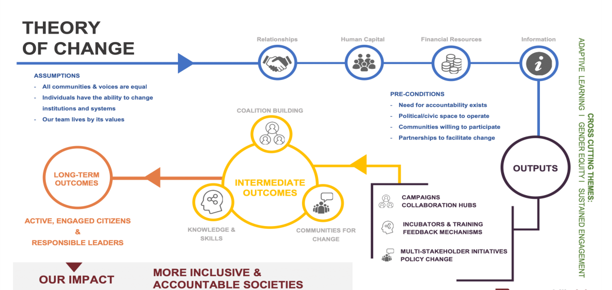
Empowered People + Strong Institutions + Evidence-Based Policies + Sustainable Partnerships è Resilient Communities and Inclusive Development for All.
Previous Projects
THP India:
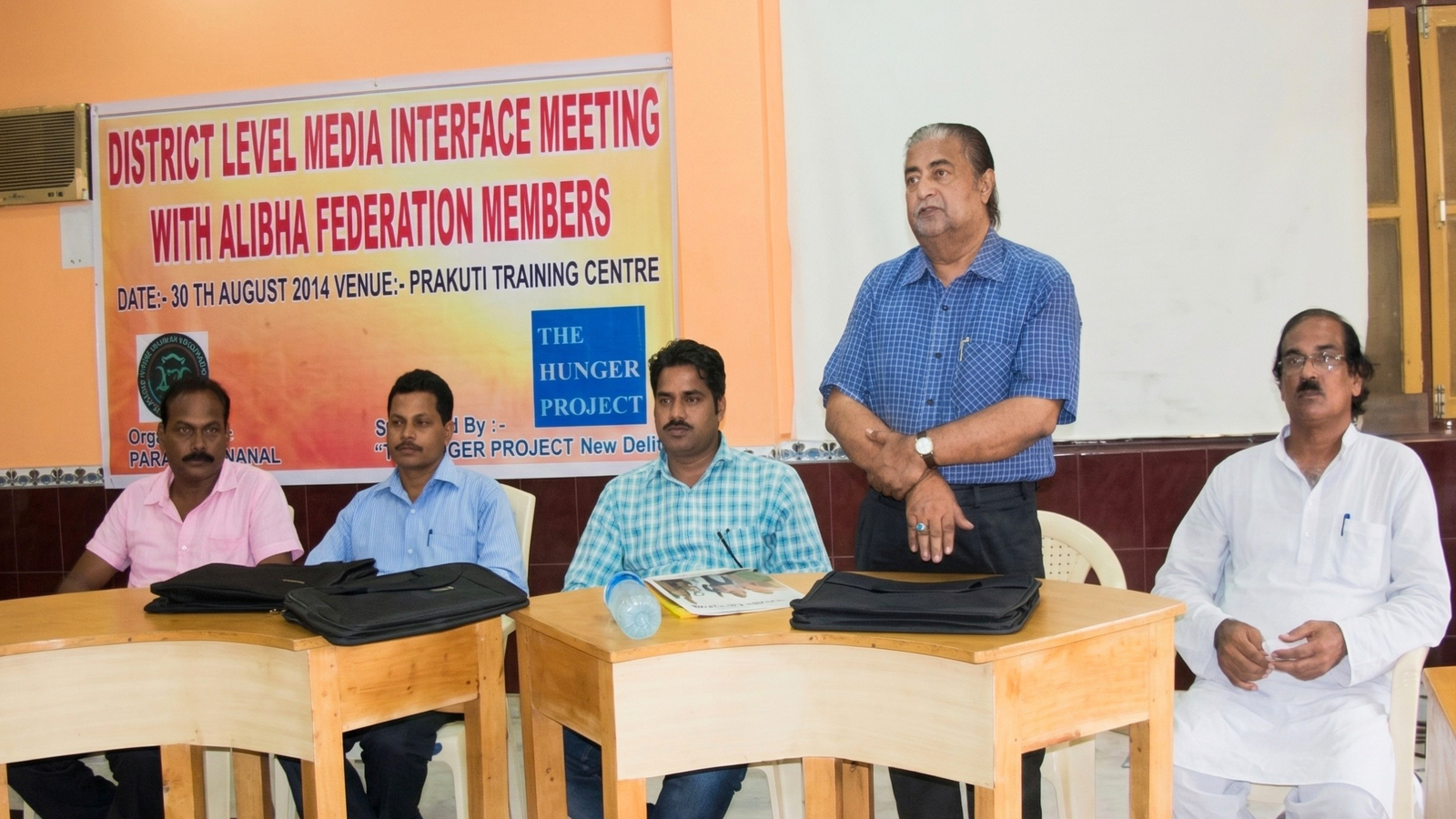
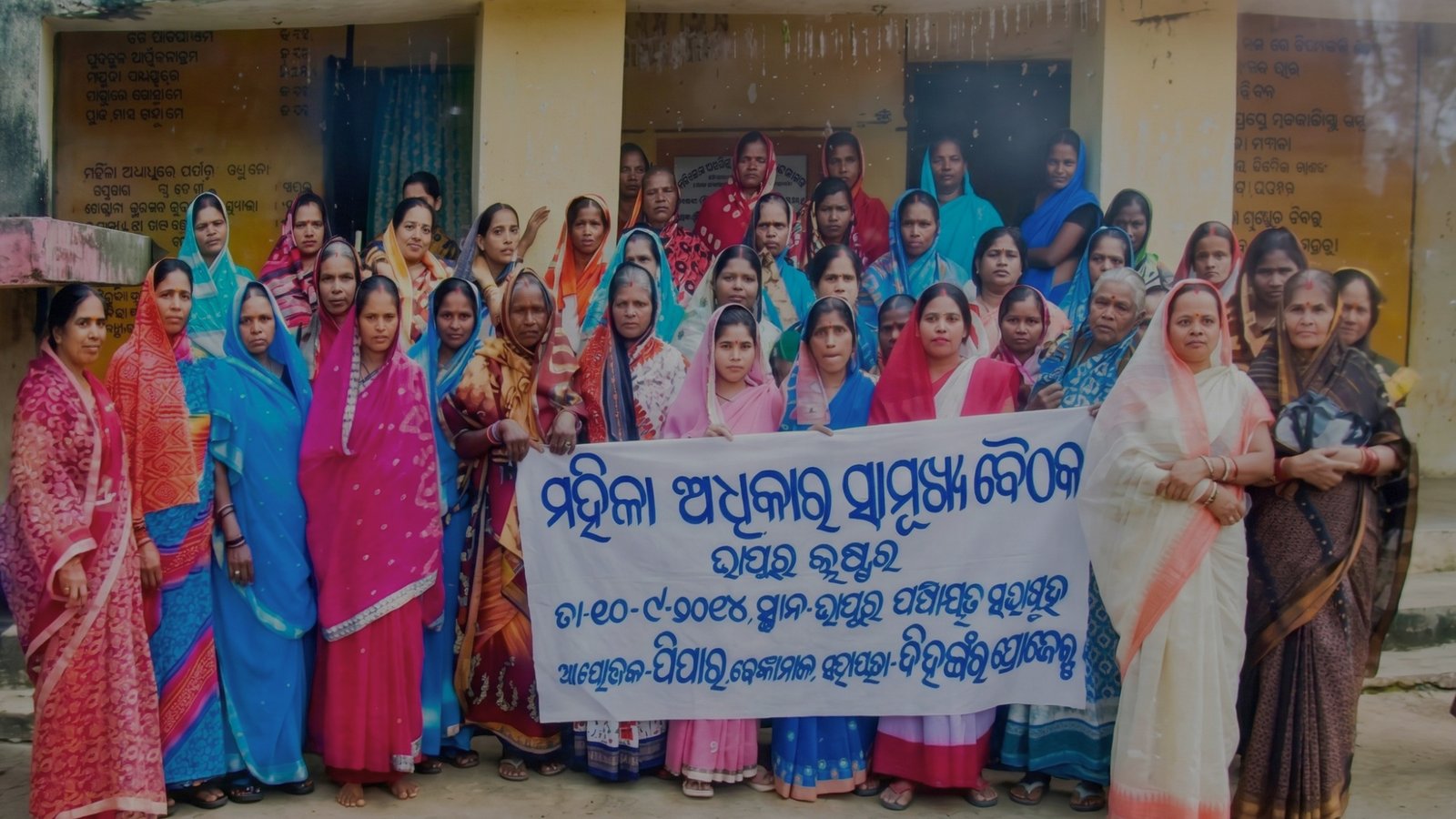
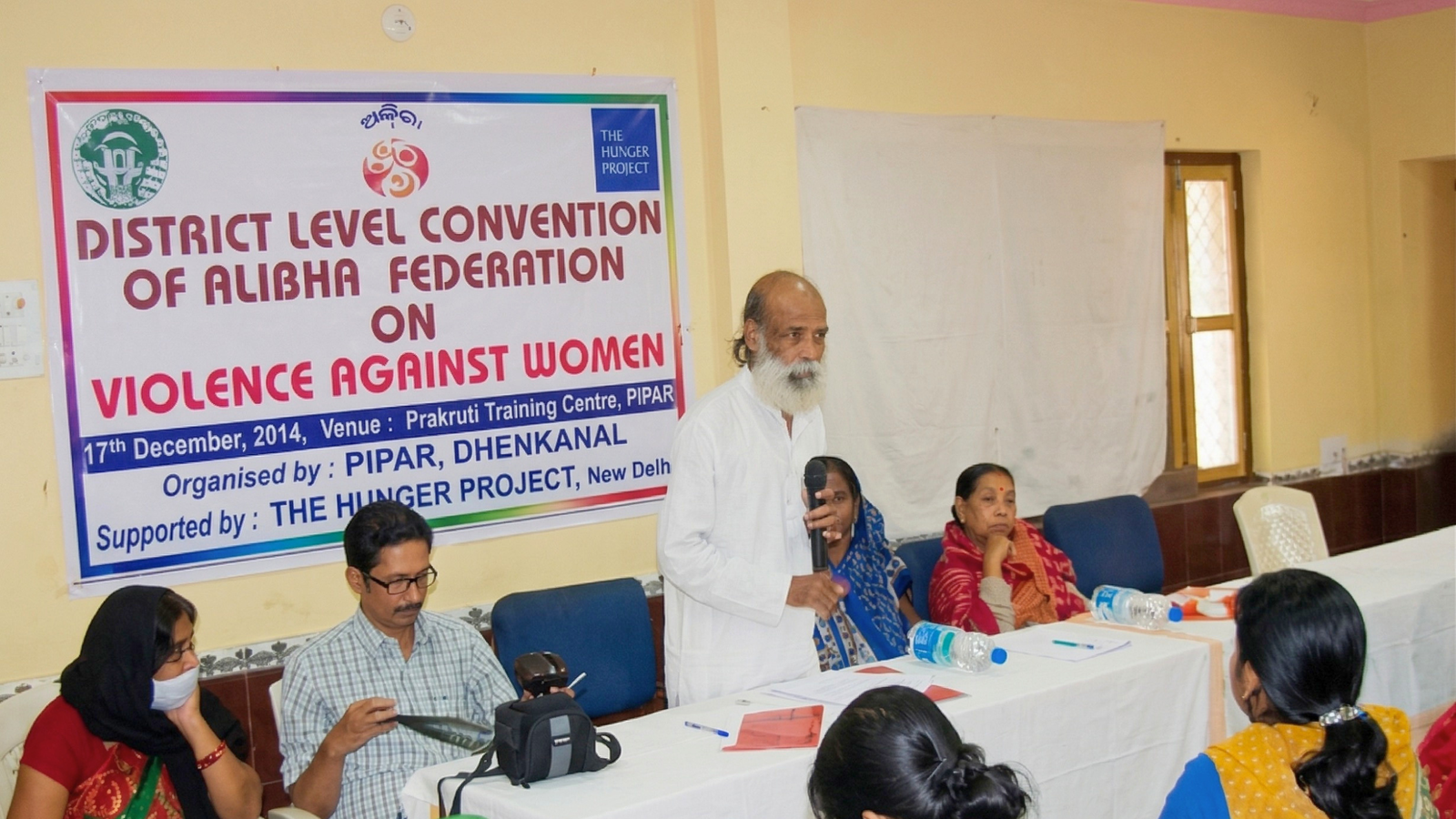
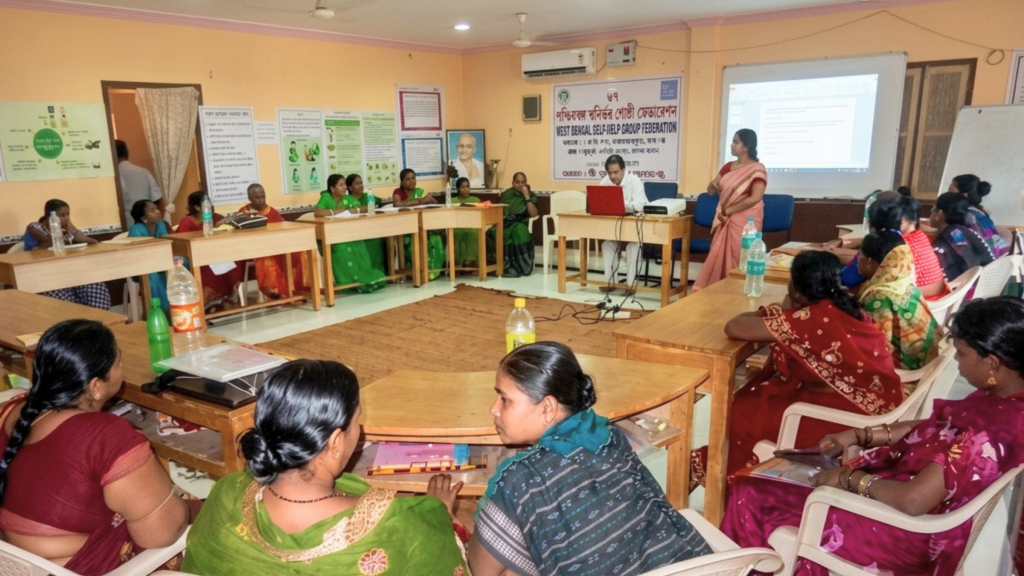
Worked with women PRI members across all 8 blocks of Dhenkanal district, Odisha, to strengthen their leadership, participation, and decision-making in local governance while empowering rural women through capacity building, awareness, and livelihood opportunities for greater social and economic inclusion.
EZE, Germany:
Promoted tribal and integrated development across the three blocks of Kamakshyanagar, Bhuban, and Kankadahad through inclusive interventions focused on community empowerment, sustainable livelihoods, social development, and improved access to essential services.
CIDA, Sweden:
Promoted forest development through Forest Rights Committee (FRC) initiatives across 15 blocks in Angul and Dhenkanal districts, strengthening community participation, forest rights, sustainable resource management, and the livelihoods of forest-dependent communities.
TDH, Germany:
Implemented integrated rural development initiatives across five districts i.e. Nayagarh, Puri, Cuttack, Dhenkanal, and Jagatsinghpur focusing on education, sustainable livelihoods, and women’s empowerment to strengthen inclusive and resilient rural communities.
Hivos, Netherland:
Implemented training and skill development initiatives across eight blocks of Dhenkanal district, focusing on tribal communities, adolescents, and women to enhance their capacities, employment opportunities, livelihoods, and overall socio-economic empowerment.
CAA, Australia:
Worked for Promoting integrated development across 15 blocks in Angul and Dhenkanal districts through initiatives focused on sustainable livelihoods, quality education, and improved healthcare to enhance the well-being and resilience of rural communities.
Misereor, Germany:
Promoted inclusive community development across 12 blocks of Angul, Jajpur, and Dhenkanal districts through women’s empowerment, sustainable livelihoods, greater participation in Panchayati Raj Institutions (PRIs), access to social welfare schemes, girls’ education, old-age pensions, and youth development initiatives.
Present Governing Body Members
| Sl No. | Name of the Member | Designation |
|---|---|---|
| 01 | Mr. Sankarsan Satapathy | Chairman |
| 02 | Mr. Basudev Rout | Vice-Chairman |
| 03 | Mr. Kalandi Charan Swain | Treasurer |
| 04 | Mr. Sankarsan Hota | Ex-Officio Member Secretary |
| 05 | Mr. Jayant Kumar Hota | Member |
| 06 | Mrs. Soudamini Gochhayat | Member |
| 07 | Mrs. Mamatamayee Panda | Member |
Managing Committee Members
| Sl No. | Name of the Member | Designation |
|---|---|---|
| 01 | Sukanta Chandra Behera | Management |
| 02 | Manas Ranjan Panda | Management |
| 03 | Jayanta Patra | Management |